
One of the most common questions couples ask after an affair is:
Can we ever truly recover from this?
The answer is sometimes yes — but the process requires patience, honesty, and a willingness to walk through some very difficult territory together.
The rebuilding process
After the initial shock and the early stages of atonement, couples slowly begin the work of rebuilding trust.
In the Gottman Trust Revival Method, this phase reflects the transition from atonement into attunement and, eventually, attachment — where couples not only repair trust but begin creating a new emotional bond.
This begins with radical transparency from the involved partner.
The hurt partner often has many questions about what happened. While these conversations can be painful, they are an important part of healing.
For recovery to move forward, the involved partner must be willing to answer those questions honestly and without defensiveness.
This is not about punishment. It is about restoring safety.
When the hurt partner sees consistent honesty and accountability, trust begins — slowly — to take root again.
Avoiding destructive patterns
Without guidance, these conversations can easily spiral into destructive communication patterns.
Many couples fall into what Dr. John Gottman calls the Four Horsemen of the Apocalypse:
- criticism
- defensiveness
- contempt
- stonewalling
When these patterns dominate conversations, healing becomes much more difficult.
A trained therapist helps couples navigate these conversations in ways that allow the hurt partner to express their pain while helping the involved partner remain engaged and accountable.
One communication framework I often share with couples is the ATTUNE model, which helps partners respond to each other with awareness, empathy, and non-defensiveness. I explain this tool in this guide to rebuilding trust using the ATTUNE acronym.
This kind of emotional responsiveness is at the heart of attunement — which I explore further here.
The complicated role of forgiveness
Forgiveness is often misunderstood in affair recovery.
Sometimes the hurt partner feels pressure — from family, faith communities, or even themselves — to forgive quickly.
But forgiveness that comes too soon can actually slow healing.
Before forgiveness can genuinely take root, several things must happen:
- The involved partner must take full responsibility.
- Questions must be answered honestly.
- Defensiveness must fade.
- The hurt partner must feel truly heard and validated.
Only then does forgiveness begin to feel possible.
In the final stage of recovery, couples begin building a renewed sense of safety and connection. (I wrote more about this phase and how attachment helps create a stronger relationship after betrayal.)
Even then, forgiveness is rarely a single moment.
It is often a process that unfolds over time.
Marriage 2.0
Couples who work through affair recovery often discover something surprising: The relationship they eventually build is not the same one they had before.
In many ways, the old relationship — the one that existed before the affair — has ended. What emerges instead is something new.
Some couples describe it as Marriage 2.0.
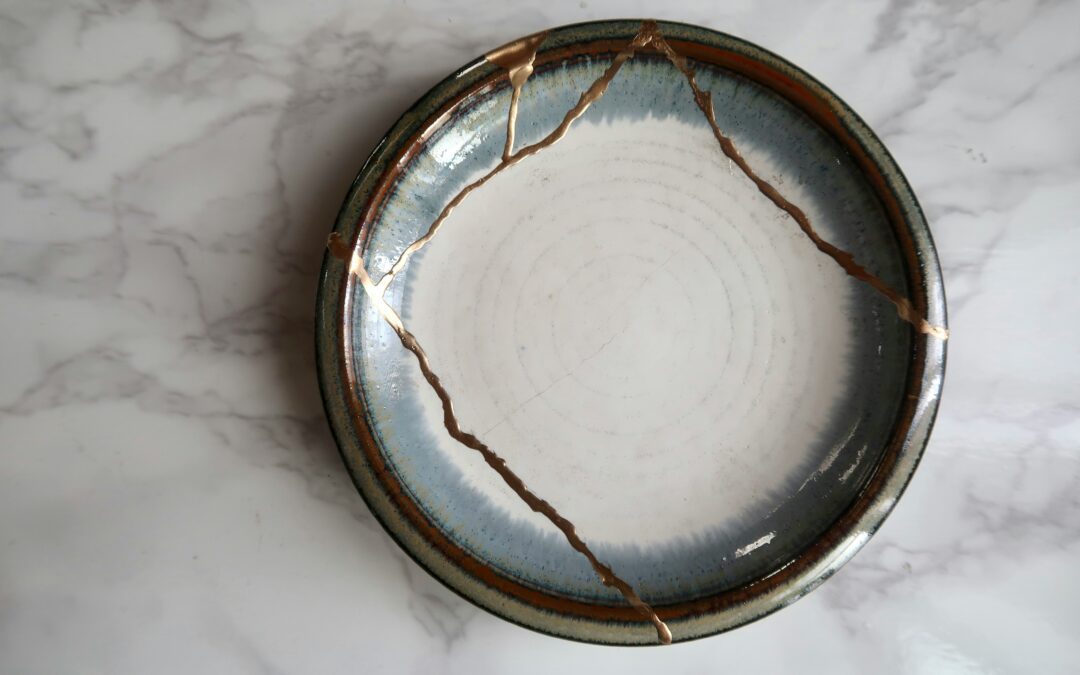
The Japanese art of kintsugi offers a beautiful metaphor for this process. When pottery breaks, the pieces are repaired using gold lacquer, making the repaired object even more unique and beautiful than before.
The cracks are not hidden. They are honored.
Similarly, couples who heal from an affair do not erase the past. The scars remain part of the story. But those scars can become places where deeper honesty, empathy, and connection grow.
Moving forward together
Even in strong recoveries, there may still be moments when old pain resurfaces. Triggers can appear months or years later.
In those moments, the involved partner has an important role to play.
Not dismissing the pain.
Not asking the hurt partner to “move on.”
But responding with compassion:
“I understand why this still hurts. I’m here.”
When couples can reach that place — where honesty, empathy, and accountability replace secrecy and distance — the relationship can become stronger than either partner once imagined.
Healing after betrayal is never easy.
But with patience, support, and intentional work, it is possible to build something new together.
If you’d like help navigating affair recovery, please don’t wait. We’re here for you.
*Photo by Riho Kitagawa on Unsplash
