

As we wrap up this four-part series inspired by the work of Cameron Madill, it’s time to look beyond just the two of you and explore another critical factor in relationship health: community. If you’ve been following along, you know that we’ve already talked about why relationships benefit from intentional design, playful connection, and keeping each other at the center. Today, we’ll see why surrounding your relationship with supportive networks can amplify all of that work.
In my conversation with Cameron, we discussed a simple but profound truth: relationships don’t exist in a vacuum. The people and environments around us influence our connections in ways we often don’t realize. Cameron shared insights from research studies, including long-term work from the Framingham Heart Study, which showed that behaviors and emotions — including happiness and relationship satisfaction — can ripple through social networks. If someone you know strengthens their relationship, it can actually increase the happiness and connection in your own relationship. On the flip side, loneliness is contagious, and social isolation can quietly erode even strong partnerships.
Cameron described how these network effects make community more than just social perks — they’re protective factors. He explained how we’ve evolved to be in community with other people — and how relatively recent societal changes have made our relationships more important than ever. In other words, investing in community isn’t just fun; it supports the long-term health and resilience of your relationship.
We also explored how group experiences — like Cameron’s Funshops or workshops such as the Art and Science of Love — create a micro-community that reinforces connection. Couples see others navigating similar challenges, celebrate successes together, and share energy that feeds their own partnership. Cameron noted, “When you get a group of couples together, we often realize, okay, this thing which might feel like a big deal is actually not that big a deal…now we can let go of that to some extent and focus on some of the good things.” Simply witnessing shared experiences and collective joy strengthens your own bond.
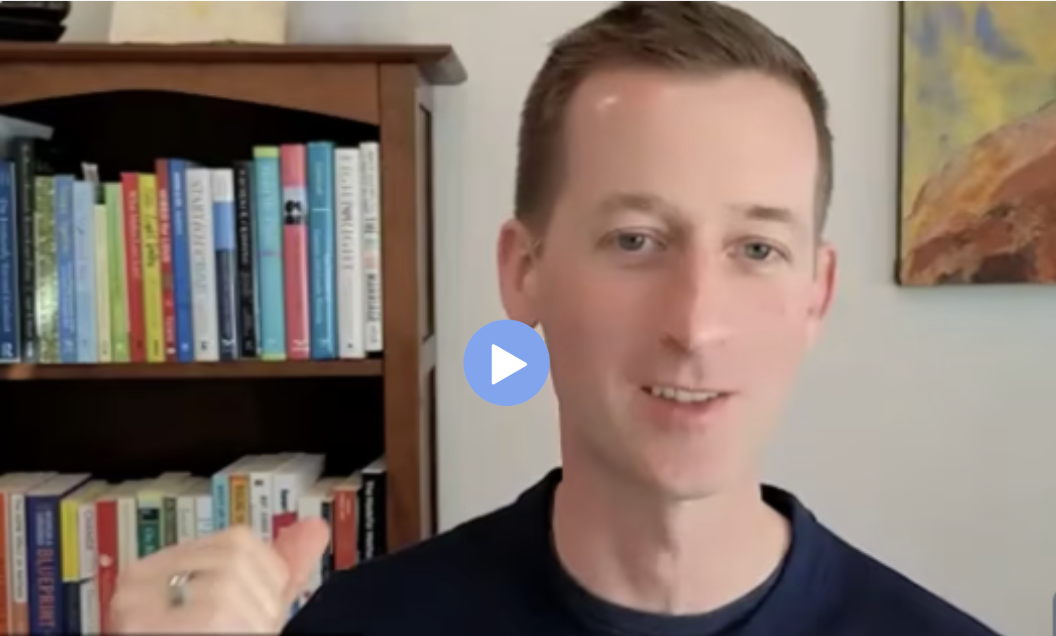
For even more insight, watch the clip below of my conversation with Cameron. In this part of our discussion, he shares what first led him to rethink traditional couples workshops — and why community, joy, and an assets-based approach matter so much for modern relationships. We talk about how easy it is for couples to feel isolated in their struggles, and how being in a shared space can help normalize challenges and reignite connection.
From my perspective as a therapist, all of this aligns with the principle that relationships are both private and social. Individual connection is essential, but the broader network of supportive people — friends, family, mentors, even fellow workshop participants — can reinforce and sustain intimacy. It’s a reminder that taking care of your relationship isn’t isolationist; it’s relational in the broadest sense.
Whether it’s weekly date nights, participating in couples’ workshops, or simply nurturing friendships with other couples, intentionally engaging with community strengthens your partnership and expands your support system. The more relational energy you cultivate outwardly, the more resilience and joy flow back into your own connection.
As we conclude this series, remember the throughline: relationships thrive when we combine intention, play, prioritization, and supportive networks. Cameron’s work, along with research-backed insights, makes it clear: a strong relationship is an ecosystem. Nurture it, celebrate it, and invite others in — your bond will not only survive, it will flourish!
If you’d like to revisit my full interview with Cameron, you can watch that here. Now get out there and have some fun with the people you love most!
Photo by Arthur Poulin on Unsplash
