
The holiday season has a way of amplifying everything — joy, connection, stress, and exhaustion. While many families look forward to time together, the shift in routines, heightened expectations, and emotional intensity can also bring unexpected challenges, especially for parents and children.
In this guest post, Core Values Counseling counselor intern (Pending Professional Counselor Associate) Jennifer Hoback shares how Filial Play Therapy offers parents a simple, relationship-centered way to support their children during the holidays. Grounded in connection rather than correction, this approach invites caregivers to slow down, tune in, and strengthen the parent-child bond during a season when it’s needed most.
At Core Values Counseling, much of our work centers on relationships — helping couples communicate more clearly, reconnect emotionally, and navigate life’s stressors together. And that same relational lens extends to parenting, especially during seasons of transition like the holidays.
As Christmas and other gift-giving holidays approach, families often experience a mix of excitement and strain. Children are home from school, routines shift, expectations run high, and sugar-fueled moments from hot cocoa, cookies, and festive treats are nearly unavoidable. For parents and caregivers, this can be a time of deep connection — and emotional dysregulation, power struggles, and exhaustion.
For families with children, this season offers a meaningful opportunity to strengthen relationships using principles from Filial Play Therapy, a gentle, evidence-based approach that complements the Child-Centered Play Therapy model used by our counselors.
What Is Filial Play Therapy?
Filial Play Therapy is a structured, therapeutic approach that teaches parents and caregivers how to use play to build stronger emotional bonds with their children. Unlike traditional therapy where the counselor works directly with the child, filial therapy empowers parents to become the agents of healing within the home. In other words, it equips caregivers with tools they can use long after sessions end.
Rooted in child-centered play therapy, filial play therapy focuses on:
- Emotional attunement
- Reflective listening
- Acceptance and empathy
- Predictable, safe connection
In short, it helps parents slow down and meet their child emotionally — without fixing, correcting, or teaching in the moment. This kind of presence can feel surprisingly powerful, especially during busy seasons.
Why Play Matters — Especially During the Holidays
Children communicate their inner world through play in the same way adults communicate through words. During the holidays, children may be processing:
- Excitement and anticipation
- Disappointment or comparison around gifts
- Changes in routine
- Family stress, travel, or tension
- Sensory overload and sugar highs
When parents are already stretched thin, it’s easy to respond to behavior rather than emotion. Filial play therapy offers a different lens: behavior is communication.
Setting aside intentional playtime gives children a consistent space to express themselves — often reducing emotional buildup that can otherwise show up as meltdowns, defiance, or withdrawal.
How Filial Play Therapy Supports the Whole Family
Parents often tell us that learning filial play skills improves not just their child’s behavior, but the overall emotional climate of the home. Benefits include:
- Stronger parent-child attachment
- Improved emotional regulation
- Reduced power struggles
- Increased confidence in parenting
- More joy and connection during stressful seasons
These outcomes often feel familiar to couples counseling clients — because many of the same principles apply: listening without defensiveness, validating emotions, and staying present during discomfort.
A Simple Filial Play Practice to Try This Holiday Season
While full filial play therapy is best learned with a trained counselor, families can begin adopting the spirit of the approach during the holidays.
Try a 20-Minute “Special Play Time” Once a Week:
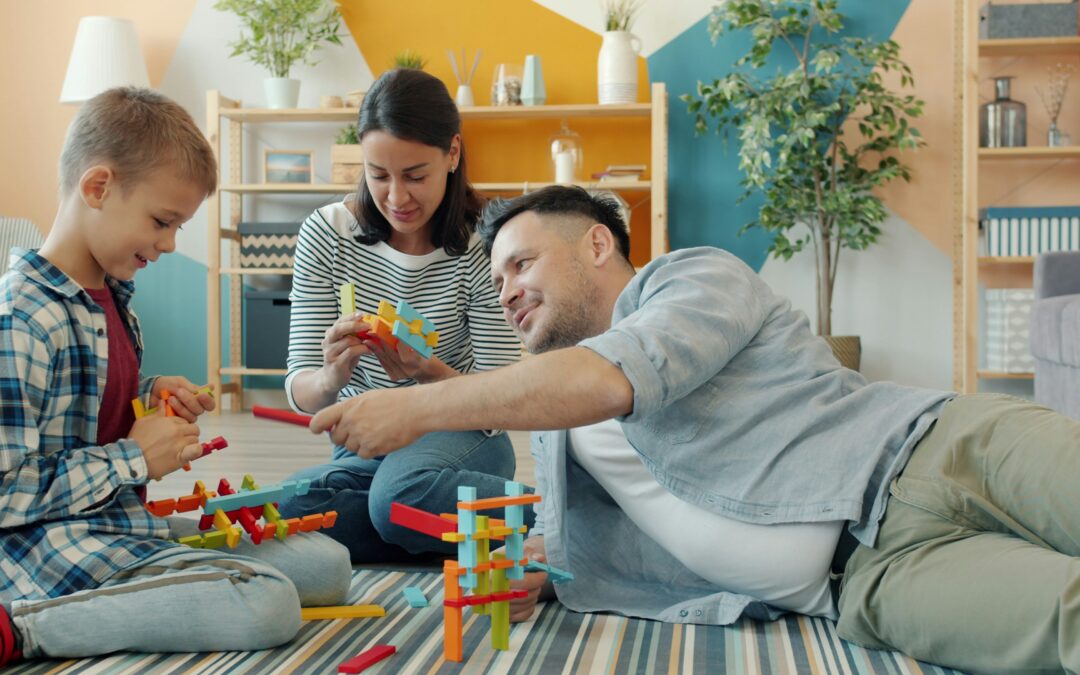
- Let your child choose the activity (art, dolls, blocks, pretend play).
- Follow their lead — no directing, correcting, or teaching.
- Reflect what you see and hear:
- “You’re working really hard on that tower.”
- “That character looks frustrated.”
- Avoid praise or problem-solving in the moment.
- End the session calmly and consistently.
This predictable, uninterrupted time communicates a powerful message: “You matter. I see you. I enjoy being with you.”
Why Now Is a Great Time to Start
The holiday season naturally creates more opportunities for connection—and more chances for emotional overwhelm. Introducing filial play practices now can help:
- Ease transitions
- Reduce holiday-related stress
- Support children through heightened emotions
- Strengthen relationships before routines resume
Just as couples often benefit from slowing down and reconnecting during this time of year, children thrive when parents offer focused, emotionally attuned presence — even in small, intentional moments.
Supporting Families Across the Lifespan
At our clinic, we believe healthy relationships start early. While many of our counselors specialize in couples work, we also offer child-centered play therapy and parent support rooted in filial play therapy principles. All of this reflects our broader mission: helping families build secure, lasting connections.
This holiday season, we invite parents and caregivers to consider play not as “one more thing to manage,” but as a powerful relational tool — one that can bring calm, joy, and connection into the home when it’s needed most.
Photo by Vitaly Gariev on Unsplash
